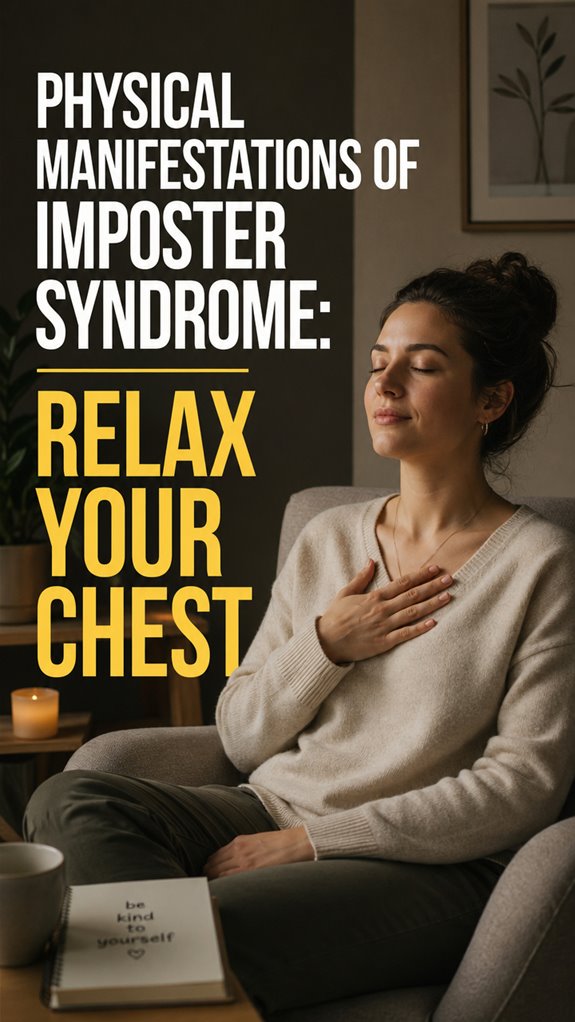
Ever felt your chest tighten like a merge conflict that won’t resolve? That’s imposter syndrome hitting compile on your nervous system.
I was deep in a sprint review, presenting code I’d written at 2am. Suddenly my chest constricted. Rogue error. Heart racing. I was convinced my manager would spot my “fraud” like a missed semicolon in production.
Breathwork became my hotfix. Four counts in, hold, out, hold. Resetting my autonomic branch. Debugging my own hardware while the meeting continued. Not elegant, but shipped.
The irony? My code was clean. My anxiety was the bug.
How Desk Posture Triggers Imposter Syndrome Symptoms
Slumped shoulders from twelve-hour coding sessions compress your thoracic cavity. I learned this debugging production at FAANG, hunched like a question mark, convinced every alert ping exposed me as an incompetent hire. My physical collapse amplified my mental one. The solution wasn’t more LeetCode. It was standing. Stretching. Recognizing that bodily distress feeds cognitive distortion. ergonomic setup, somatic experiencing, tech worker burnout, imposter syndrome physical symptoms, developer wellness.
Quick Takeaways
- Practice slow, diaphragmatic breathing to reduce chest tightness caused by anxiety during imposter feelings.
- Focus on controlled exhalation to release tension and calm the nervous system.
- Use mindfulness techniques to acknowledge impostor sensations without muscle tension or panic.
- Incorporate physical relaxation exercises like shoulder rolls or gentle stretching to ease chest tightness.
- Monitor symptoms with tools like a smartwatch or through physical assessments to distinguish anxiety from heart issues.
What Causes Chest Tightness During Imposter Moments and How to Recognize It
When imposter moments trigger chest tightness, it’s akin to a software system encountering a cascade of unhandled exceptions—your neural and physiological infrastructure attempts debugging on-the-fly, often with no logs or diagnostics.
Imposter feelings act as rogue bugs interfering with your core processes, manifesting as physical sensations—pressure, stabbing pain, or suffocation. Your fight-or-flight circuits, like an overzealous monitor, activate prematurely, causing hyperventilation or muscle spasms.
It’s almost *Ghost in the Shell*-esque: a human executing flawed code while the underlying hardware struggles to compensate. Recognizing this, you understand it’s a misfired signal—some internal process is throwing alerts that only feel like failure.
How Can You Tell If Your Chest Pain Is From Anxiety or a Heart Issue?
Diagnosing chest pain in the human hardware is akin to debugging a complex, layered software system where multiple modules—biological signals—interact and sometimes conflict, much like the Ghost in the Shell glitching at a core kernel. You, the developer, need to distinguish whether muscle tension or heart symptoms are the culprit.
Anxiety-induced pain often manifests as hyperactive muscle twitching or localized sharpness—like a misfiring bug—while real heart failure presents as dull, radiating pressure, often worsened with activity. Recent advancements in smart watch technology have made it easier for individuals to monitor their heart rates, providing valuable data during these assessments. Running diagnostics (ECGs, physical assessment) is essential. Additionally, understanding the impact of monitor selection on visual comfort can help reduce anxiety during coding sessions.
Recall: your biological infrastructure, like code, requires rigorous testing—don’t compromise on professional evaluation, or the system may crash.
Easy Breathing Exercises to Ease Chest Tightness During Imposter Feelings
In the sprawling codebase of your body’s response system, a hostile process—imposter syndrome—can corrupt the user interface with errant chest tightness, causing your hardware to throw exceptions in the form of panic signals. To debug this, initiate stress reduction via breathing techniques—think of them as system patches—modulating hyperventilation and resetting the autonomic processes.
Engage in slow, deliberate inhales through your nose, followed by controlled exhales, like diffusing a DDoS attack. This approach optimizes stress resilience and re-establishes system stability, akin to a firmware update for your nervous system’s kernel—crucial for maintaining operational integrity amidst chaos.
Long-Term Lifestyle Changes to Reduce Anxiety-Related Chest Symptoms

Implementing long-term lifestyle modifications functions as the meticulously coded update patch for your human operating system, targeting the root causes of anxiety-induced chest symptoms rather than merely patching symptoms in transient hotfixes.
By integrating mindfulness meditation and stress management protocols, you optimize thread execution, reducing systemic overloads that trigger the fight-or-flight response. This is akin to debugging a core module—identifying and patching the underlying logic errors before chaos ensues.
Streamlining these habits ensures your neural architecture doesn’t crash under pressure, akin to an unreleased patch preventing a cascading system failure—except, in this case, it’s your mental firmware running code messier than a SAT exam.
Best Apps and Tools to Manage Chest Tightness and Build Resilience
When managing chest tightness rooted in anxiety, the real challenge isn’t just patching the symptom but debugging the core loop of your mental firmware—much like patching a memory leak in a high-stakes server application before it crashes.
Enter stress management apps like Headspace, Calm, and Biofeedback devices; these serve as middleware, enhancing body awareness and preventing recursive failures. Additionally, incorporating ergonomic tools like a vertical mouse can improve your overall computing posture and reduce physical tension. Choosing the perfect meditation stool can also support your practice by promoting proper posture and relaxation during mindfulness sessions.
My First Use of Foam Roller
Loading my first session with the foam roller felt oddly akin to debugging a catastrophic system failure before it cascades into the server room—the sort of pivot where system logs reveal clues, but the root cause remains elusive.
As I applied pressure, muscle tension responded unpredictably—an internal chaos echoing “Ghost In the Shell.” Exposure to computer screens’ blue light before bed can similarly disrupt relaxation.
| Muscle Groups | Response |
|---|---|
| Mid-back | Tense, knots become more defined |
| Lats | Mild discomfort, but manageable |
| Traps | Radius of tension expands |
| Chest | Surprisingly little relief |
| Shoulders | Awareness sharpens |
Foam rolling: the unglamorous patch upgrade for my internal infrastructure, revealing vulnerabilities I’d rather ignore. Using products like body oils for hydration may complement the physical relief by further enhancing skin softness and suppleness.
Chest Tightness From Anxiety

In your autonomic nervous system’s codebase, the fight-or-flight module is bugged, triggering an adrenaline rush that causes systemic muscle tension—think of your chest muscles, intercostals, and diaphragm executing a misguided loop. This artificial stress response throws a wrench into ideal function, leading to tightness akin to a software vendor’s patch causing unforeseen conflicts. As if Ghost in the Shell’s hacking scene, all the chest’s hardware starts to flinch—involuntary spasms and tightness that mimic a crash, reinforcing the absurdity of attempting to run this human OS without regular system updates. It’s a hardware alert you can’t debug or ignore. Furthermore, this tension can sometimes manifest as an electric shock feeling in various areas, amplifying the discomfort and anxiety experienced. To alleviate these symptoms, practicing digital eye strain management techniques can help reduce overall tension in the body and mind.
Breathwork Exercises for Relief
Amidst the chaos of a malfunctioning autonomic subsystem—a scenario familiar to any seasoned dev staring at a non-responsive IDE—breathwork serves as the manual override, a strategic patch to mitigate the relentless cascade of stress signals. Mindful breathing techniques are effective tools to initiate this process, enhancing overall well-being.
Harness breath awareness through relaxation methods, rebooting your system’s core processes.
- Engage in slow, controlled inhalations, mimicking a well-structured API call.
- Use diaphragmatic breathing as a debugging tool, releasing built-up tension.
- Focus on exhalation to clear residual errors, like flushing debug logs.
- Construct a mental loop of calm, akin to optimizing code flow.
Incorporating vibrant desk mats can also enhance your workspace, providing visual stimulation that encourages a positive atmosphere.
It’s your system’s patch—deactivate the panic, activate clarity.
Anti-Anxiety Herbal Teas
When your autonomic nervous system throws a hissy fit—like a deprecated dependency causing a cascade of runtime errors—seeking a quick-acting patch is advisable. Herbal remedies, particularly tea infusions, serve as the lightweight, portable patches in your system. Walking after eating helps stimulate digestion and can also provide mental clarity, making it an excellent addition to your routine.
They harness herbal remedies’ complexity, executing a delicate brew that resets the hyperactive process—calming the fight-or-flight module embedded deep within your physiological stack. Unlike debugging your code, the gentle infuser of anti-anxiety herbal teas provides a subtle yet effective countermeasure to chest tightness.
It’s as if you’re bypassing the kernel panic, simplifying the crash scenario into a manageable, slow fade—like a carefully orchestrated system refresh. Incorporating ashwagandha benefits into your tea routine can further enhance your stress-relief toolkit.
Memory Boosting Techniques
Just like debugging a legacy codebase prone to memory leaks, enhancing your recall capacity begins with addressing the core architecture—your brain—before optimizing for secondary cache (short-term memory). Continuous Glucose Monitoring (CGM) can provide insights into metabolic changes that may influence cognitive function by tracking glucose levels.
To strengthen memory consolidation and cognitive enhancement, you must optimize the underlying structure—your neural network.
- Implement spaced repetition, akin to version control commits, to solidify long-term storage.
- Prioritize sleep, the firmware update your brain critically requires after a day of data processing.
- Limit multitasking to avoid context-switching overhead in your cognitive CPU.
- Use mnemonic devices as debugging tools to prevent elusive memory leaks from corrupting your operational integrity.
Reboot your mental OS; otherwise, it’s just a matter of time before the ‘ghost in the shell’ crashes entirely. By integrating effective productivity planners, you can streamline your cognitive processes and further enhance your memory.
FAQ
Can Imposter Syndrome Symptoms Mimic a Cardiac Emergency?
Imposter syndrome symptoms can mimic a heart attack or anxiety attack, causing intense chest tightness, pain, and rapid heartbeat. Stay powerful—seek immediate medical help to rule out a cardiac emergency and take control of your health.
How Frequently Should I Practice Breathing Exercises for Long-Term Relief?
Research shows daily practice yields 60% better stress reduction. You should practice breathing techniques and relaxation practices at least twice daily, incorporating quick sessions for immediate relief and longer exercises for long-term mastery and resilience.
Are There Specific Dietary Changes to Reduce Anxiety-Related Chest Tightness?
You can reduce anxiety-related chest tightness by making nutritious adjustments, incorporating calming foods like leafy greens, berries, and herbal teas. These powerfully support your nervous system, help stabilize mood, and enhance your ability to manage stress effectively.
What Signs Indicate When to Seek Emergency Medical Help?
When your chest roars like a siren, signaling danger, seek emergency help immediately. Break the chains of mental health stigma and workplace stress—your strength lies in confronting these signals before they escalate, commanding your health with unwavering resolve.
Can Physical Activity Worsen or Improve Imposter-Related Chest Symptoms?
Physical activity boosts exercise benefits, which can alleviate imposter-related chest symptoms by reducing stress and improving mood. However, if symptoms worsen during activity, stop immediately and seek medical attention to rule out underlying health issues.
Summary
In the grand architecture of your mental and physiological code, an imposter syndrome glitch manifests as chest tightness—akin to a memory leak in your emotional buffer. Recognizing whether it’s a benign runtime warning or a critical system failure (a heart issue) demands diagnostic precision. Just as debugging complex software involves iterative breathwork patches and herbal refreshes, your biological system calls for a resilient upgrade—lest the human OS crash under the load. Sometimes, the greatest hack is learning to relax your chest—before your own Ghost In The Shell becomes irreparable.
References
- https://ubiehealth.com/doctors-note/anxiety-chest-tightness-causes
- https://www.calmclinic.com/anxiety/symptoms/chest-tightness
- https://mentalhealthofutah.com/can-anxiety-cause-chest-pain/
- https://www.brightside.com/blog/anxiety-chest-pains/
- https://reachlink.com/advice/anxiety/anxiety-induced-chest-pain-causes-symptoms-and-treatment/
- https://www.chestphysician.org/annual-meeting/news/women-pulmonary-workshop-physical-mental-tools-key-to-overcoming-imposter-syndrome/
- https://pubmed.ncbi.nlm.nih.gov/30872019/
- https://www.psychologytoday.com/us/blog/urban-survival/202412/7-signs-you-might-have-imposter-syndrome-and-what-to-do-about-it
- https://www.nuffieldhealth.com/article/imposter-syndrome-signs-symptoms-treatments
- https://www.charliehealth.com/areas-of-care/anxiety/anxiety-chest-pain
- https://www.nurx.com/blog/can-anxiety-cause-chest-pain/
- https://www.woodlandsheartinstitute.com/blog/anxiety-and-chest-pain-are-they-linked
- https://healthmatch.io/anxiety/how-to-relieve-anxiety-and-chest-tightness
- https://www.talkiatry.com/blog/can-anxiety-cause-chest-pain
- https://www.helpguide.org/mental-health/anxiety/anxiety-cause-chest-pain
- https://www.healthline.com/health/anxiety/anxiety-chest-pain
- https://www.youtube.com/watch?v=aTzN1cs_OSQ