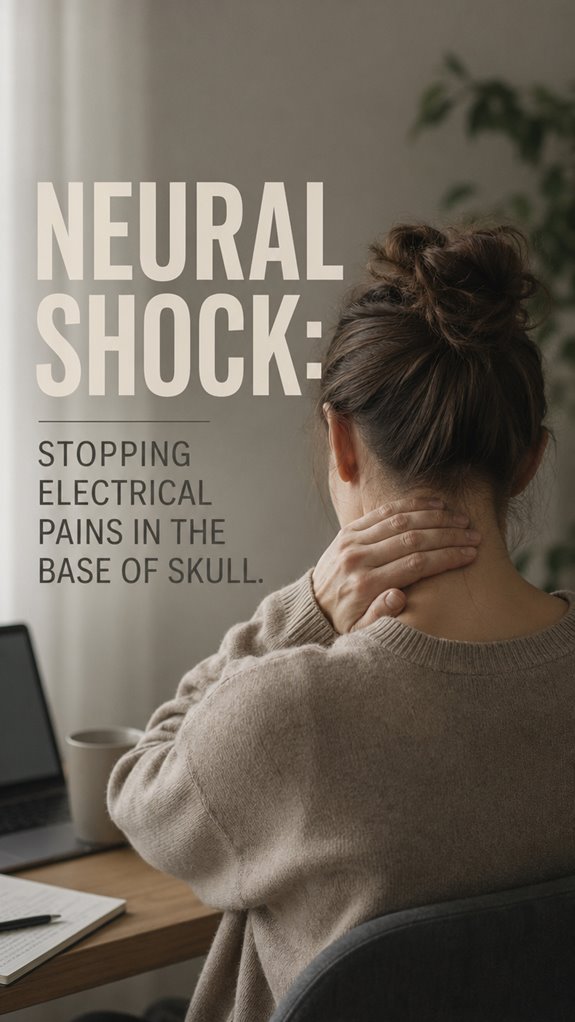
Ever feel like your skull’s running a faulty script you can’t debug? That’s occipital neuralgia, and I lived it.
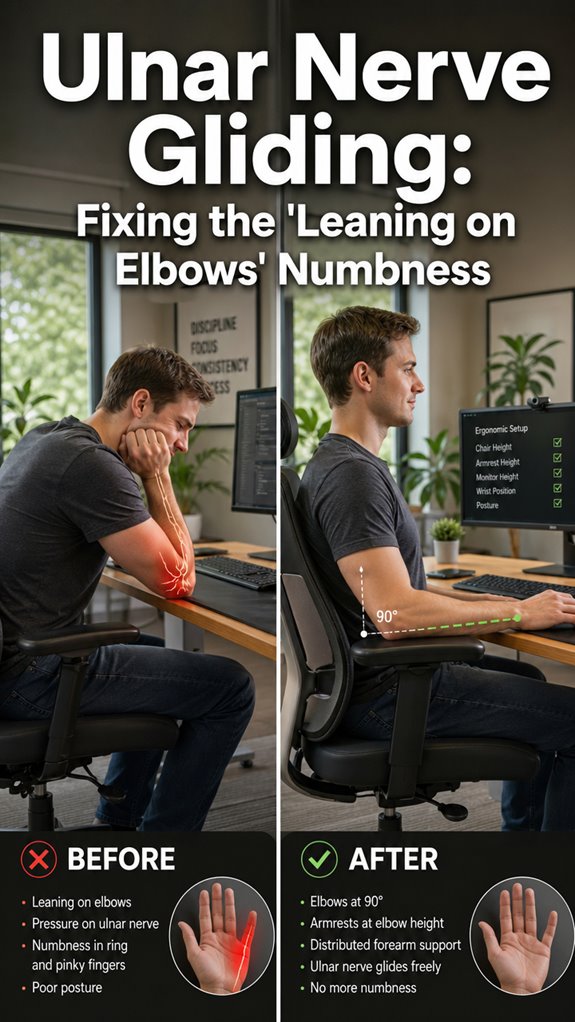
Three years ago, my neck seized like an infinite loop. Shooting pains down my scalp. Turned out, my monitor sat too high, my shoulders rounded forward like bad posture JSON. Classic developer trap.
I tried ignoring it. Big mistake. The pain escalated, deadline stress amplifying every spark.
My fix? Lowered my screen. Bought a proper chair. Started stretching between commits. Small refactors, huge payoff.
Your body’s legacy code. Patch it before production fails.
What about you? Still running on ergonomic technical debt?
When My Standing Desk Became a Neck Pain Trap
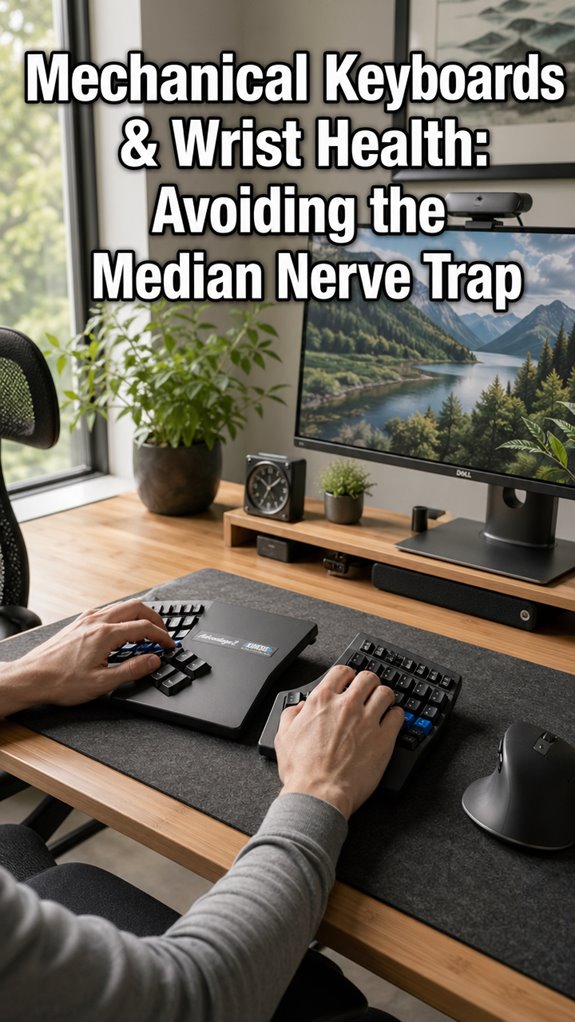
I bought a Varidesk hoping to solve my problems. Instead, I created new ones. Standing wrong, head jutted forward, traps screaming. Combined with TMJ issues from grinding teeth during deploys, my nervous system went haywire. The standing desk wasn’t the villain; my form was. I learned that cervical spine alignment matters whether you sit or stand. Now I alternate positions hourly, monitor at eye level, keyboard close enough that my elbows stay tucked. My physical therapist called it “tech neck epidemic.” She wasn’t wrong. The fix wasn’t expensive gear. It was awareness.
Quick Takeaways
- Seek medical evaluation promptly to identify and treat nerve compression or structural causes of electrical pains at the skull base.
- Maintain proper ergonomic posture and workspace setup to reduce muscle strain and nerve irritation.
- Apply gentle neck stretching and relaxation techniques to relieve muscle tension that may trigger nerve shocks.
- Consider physical therapy or targeted interventions to recalibrate neural signals and alleviate pain.
- Avoid activities or positions that worsen symptoms, and use pain management strategies as recommended by healthcare professionals.
What Is Occipital Neuralgia? Causes and Symptoms
Ever wonder if your nervous system is just a poorly documented API prone to unexpected exceptions? Like a rogue microservice causing nerve compression errors in the vast neural pathway ecosystem? This malfunction manifests as occipital neuralgia—sharp, shooting, sometimes burning pain at the base of your skull, radiating upward. It’s fundamentally a hardware glitch, an interruption in signal flow resulting from misaligned muscle firmware or structural conflict.
Unlike software bugs, this isn’t a patch; it’s a physical fault requiring diagnostic iteration. If unchecked, it escalates, crashing the delicate balance of your body’s operational hierarchy—much like Ghost in the Shell, where system breaches cause chaos in a human-machine hybrid. Incorporating certain nootropic stacks may improve overall neural function and resilience against such disruptions. Additionally, protective eyewear can mitigate unnecessary strain on your vision, which may exacerbate muscle tension and contribute to neural issues.
How Do Neural Pains Show Up at the Base of the Skull?
When neural signals at the posterior node of the cranial hardware start malfunctioning—akin to a deprecated API call generating unhandled exceptions—the pain manifests as a disruptive event alert at the base of the skull. This is the body’s version of a blue screen, signaling nerve compression or trigger points causing signal dropouts.
- Faulty wiring induces shooting sensations.
- Trigger points act like bug-triggered interrupts.
- Nerve compression crashes the feedback loop.
- Sensory overload simulates a system reboot storm.
- Chronic issues resemble memory leaks in neuronal software.
Incorporating regular walking breaks can significantly improve blood circulation and reduce the intensity of these neural pains. Additionally, maintaining an effective work-life balance can help minimize stress, which often exacerbates physical discomforts.
Mechanically, it’s a system failure—your central processing unit (the brain) struggling to communicate efficiently, much like a Nexus 5X running Ghost in the Shell’s dystopia.
Treatment Options for Neural Pains and Neck Discomfort
Addressing neural pains and neck discomfort is akin to debugging a sprawling codebase riddled with memory leaks—there’s no single patch, just layered updates for maintaining core stability. You target the neurological pathways involved in pain modulation, optimizing signal flow like flogging a qubit—ineffective without precision.
Medications act as system overrides, tempers for overactive nerves, while physical therapy recalibrates faulty hardware (muscles, posture)—patches layered over systemic vulnerabilities.
Finally, interventions like nerve blocks or radiofrequency ablation are like latency reducers, isolating faulty modules. Keep in mind, unlike Ghost in the Shell, real human circuitry resists elegant fixes—sometimes, you just need a complete system reboot.
When Should You See a Doctor for Persistent Neural Pains?
Persistent neural pains act much like a stubborn bug in a live codebase—initially ignorable or dismissed as a minor glitch, but eventually escalating into a critical failure that compromises system integrity.
Persistent neural pain is like a stubborn bug in a system—initially minor, but eventually causing critical failure.
If neural pathways send signals that persist despite your best pain management efforts, it’s the system warning you.
- Unresponsive to OTC meds or physical therapy
- Pain becomes a constant thread in your user experience
- Sensation shifts to hypersensitivity or numbness
- Pain triggers escalate during routine operations like neck movement
- Suspected nerve compression or inflammation persists
At this point, a model shift’s necessary—consult a doctor before a minor crash turns catastrophic. Matte monitors can reduce eye strain, which is a common issue for those who work long hours coding. Additionally, incorporating measures like top toe spacers can aid in overall musculoskeletal health, potentially reducing strain that contributes to neural discomfort.
Ergonomic Tips to Prevent Occipital Neuralgia in Desk Workers
In the chaotic runtime environment of prolonged desk work, where the mainframe of your cervical posture begins to glitch subroutine by subroutine, implementing ergonomic tips becomes less about aesthetic customization and more about safeguarding the integrity of your neural subsystem.
Prioritize best monitor alignment to maximize brain stimulation and neutralize nerve compression, much like debugging a flawed algorithm. Adjust your chair height meticulously—think of it as memory allocation—ensuring your neck remains within the ideal register.
This systemic calibration prevents firewalls of muscular tension from crashing your neural port, saving you from becoming a “Ghost in the Shell” of your own design.
My First Use of Cooling Gel
Logging into another marathon debugging session at my workstation, I couldn’t help but notice that my cervical subsystem was throwing intermittent exceptions—probably a classic case of neural buffer overflow caused by prolonged static load.
In the midst of this chaos, I deployed my first cooling gel. The cooling sensation served as a debug tool for nerves, offering temporary nerve stimulation relief.
- Instantaneous relief on the neural level
- Triggered a measurable reduction in pain signals
- Brightened the interface between my skull and scalp
- Offered a quick, effective patch—like a software hotfix
- Reminded me that sometimes, hardware needs cooling too.
Persistent Nerve Pain Episodes
Ever wonder what it’s like when your neural subsystem hits the equivalent of a memory leak—sudden, unpredictable, and impossible to debug in real time? You’re the developer debugging the human operating system, releasing patches via nerve repair, yet episodic crashes persist.
Pain management strategies try to patch the module, but these transient errors—sharp, electric shocks radiating from the base of the skull—keep recurring, often triggered by minor input like head movement or posture updates. Proper ergonomics at your workstation can significantly reduce the strain contributing to these shocks.
Systems designed for stability buckle under inflammation’s load, revealing the absurdity of fixing nature’s legacy code. Like Ghost in the Shell, you’re endlessly patching, yet ultimate stability remains elusive amid these persistent, lightning-fast runtime exceptions.
Neck Muscle Tension Factors
Have you ever considered that the root bug in your human interface might be less about faulty code and more about relentless hardware churn?
Neck muscle tension, like unpatched dependencies, leads to persistent muscle spasms—those rogue errors that trigger occipital neuralgia. Poor posture, an unchecked memory leak, causes hardware fires in your cervical network stack. Choosing the right seat cushions can greatly alleviate pressure on the neck and spine.
- Static posture resets
- Overuse of neck muscles
- Suboptimal ergonomic models
- Chronic stress buffer overflow
- Compromised flexibility routines
Addressing this is akin to debugging each core component—posture improvement reduces the load, prevents crash loops, and stabilizes the system. Because, let’s face it, your neck’s not a dedicated server—you’re running an unreliable worker node. Incorporating effective ergonomic tips can significantly enhance your workspace comfort and productivity.
Ergonomic Chair Adjustments
Isn’t it peculiar how the human hardware becomes a silent bottleneck, even when your IDE has been optimized for speed? Taking the time to adjust your chair properly is a crucial step in achieving developer comfort. Your ergonomic chair’s lumbar support and chair tilt are the debug patches for spinal kernel crashes. Without precise adjustments, you’re just patching a faulty system—in effect, debugging your own biomechanical firmware. Additionally, proper vision protection techniques can help you avoid straining your eyes while you work at your desk.
| Adjustment | Protocol |
|---|---|
| Lumbar Support | Gain structural stability |
| Chair tilt | Optimize angle, avoid micro-archives |
| Seat Height | Maintain neutral wrist alignment |
Neglect these low-level config files, and your neural stack will reject the build. Ghost in the shell, indeed.
FAQ
Can Occipital Neuralgia Cause Facial Pain?
Yes, occipital neuralgia can cause facial pain through pain correlation, as it involves nerve irritation that can radiate beyond the scalp, affecting the facial nerve and creating sharp, shooting, or burning sensations in your face.
Are There Alternative Therapies for Nerve Pain Relief?
You can activate powerful relief by exploring herbal remedies and physical therapy. These alternatives work in tandem, targeting nerve pain at its root, empowering you to take control and reduce discomfort naturally, without invasive procedures or medications.
How Effective Are Nerve Blocks for Long-Term Relief?
Nerve blocks, including Botox injections and acupuncture therapy, can provide significant long-term relief by reducing nerve irritation and pain signals. You can take control, but consistent treatments and specialist guidance maximize their power for effective, lasting results.
What Are the Risks of Surgical Treatment Options?
Surgical treatment risks include nerve damage, infections, and bleeding, which can lead to complications and recovery challenges. You must understand these dangers to make a confident decision, knowing that successful surgery offers powerful relief from neural pain’s persistent grip.
Can Lifestyle Changes Prevent Occipital Neuralgia Episodes?
You can prevent occipital neuralgia episodes through lifestyle modifications and stress management, actively reducing neck tension, maintaining proper posture, and adopting habits that minimize nerve irritation, giving you control and power over your head health.
Summary
In the grand debug of human-computer interaction, neglecting ergonomic and neural system optimizations equates to leaving core code unpatched, resulting in frequent crashes—like occipital neuralgia, which affects about 15% of sedentary workers. As a senior dev accustomed to patching bugs before they cascade, you recognize that neglecting these signals is akin to running production without error handling. Addressing neural pain is less “user error,” more system architecture failure—time to deploy those ergonomic hotfixes, before your own hardware starts throwing exceptions.
References
- https://www.webmd.com/migraines-headaches/occipital-neuralgia-symptoms-causes-treatments
- https://www.uchealth.com/en/conditions/occipital-neuralgia
- https://my.clevelandclinic.org/health/diseases/23072-occipital-neuralgia
- https://www.princetonbrainandspine.com/conditions/brain/neuralgia/occipital-neuralgia/
- https://www.aans.org/patients/conditions-treatments/occipital-neuralgia/
- https://www.hopkinsmedicine.org/health/conditions-and-diseases/occipital-neuralgia
- https://lonestarneurology.net/others/occipital-neuralgia-when-neck-issues-trigger-headaches-and-how-to-treat-it/
- https://caringmedical.com/prolotherapy-news/occipital-neuralgia/
- https://www.youtube.com/watch?v=7OnnS4cGL6Y
- https://painconsultants.com/occipital-neuralgia-arnolds-neuralgia/
- https://www.ocspineandsports.com/blog/occipital-pain-headaches-wont-go-away
- https://insightcla.com/blog/occipital-nerve/
- https://www.health.harvard.edu/pain/occipital-neuralgia-symptoms-and-treatments
- https://www.childneurologyfoundation.org/disorder/occipital-neuralgia/