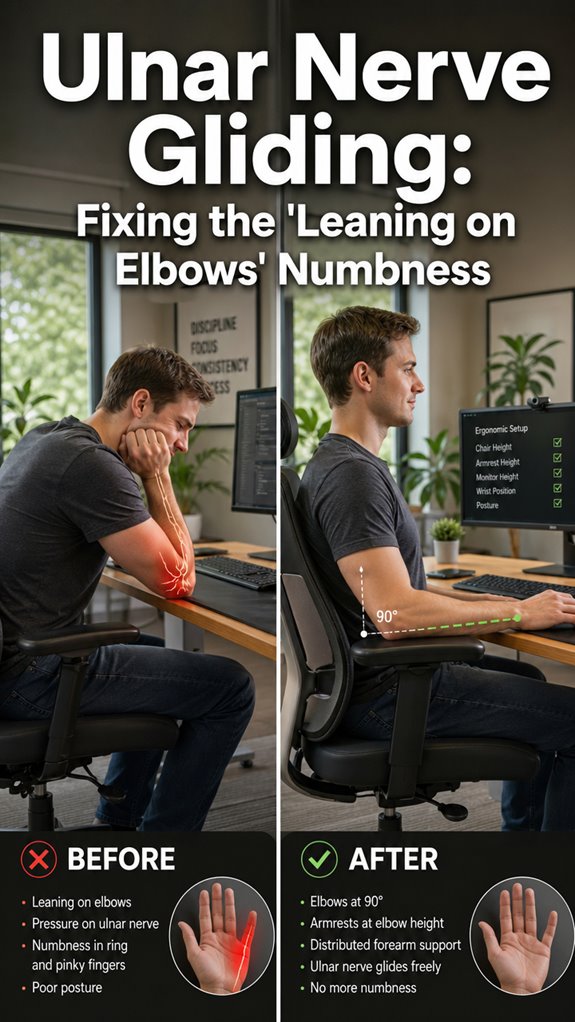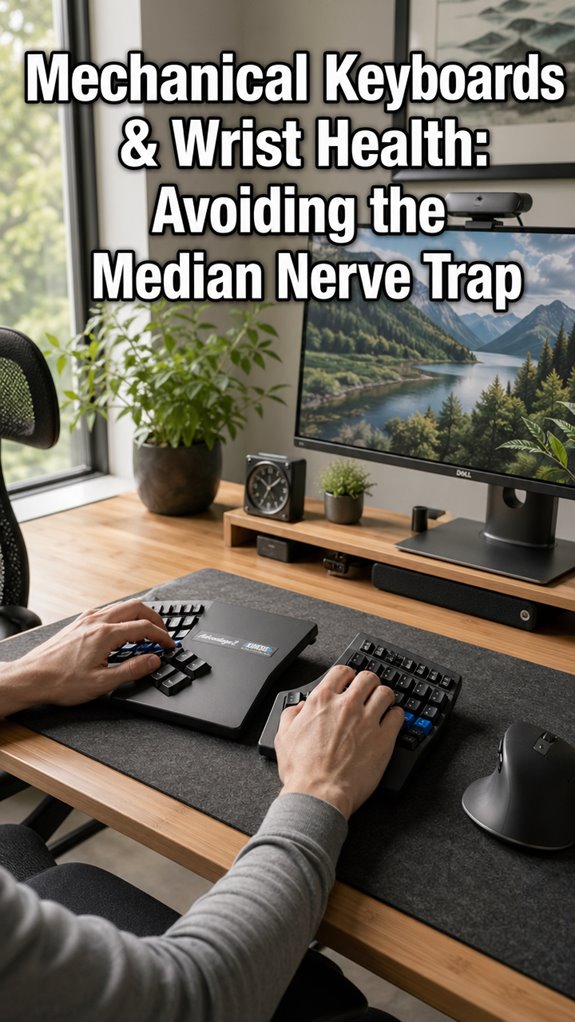
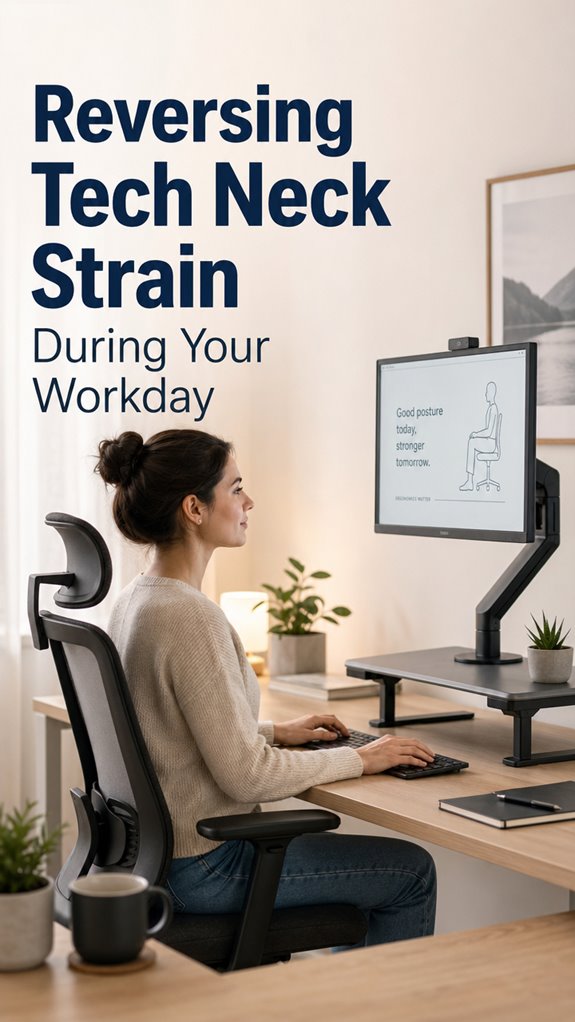
Ever feel like your neck’s running legacy code from 1995? Mine was. Last sprint, I couldn’t turn my head without a delightful crunching soundtrack.
So I fixed my stack.
Chin tucks between standups. Cervical rotations while waiting for builds. Shoulder resets during those endless code reviews.
My monitor? Finally at eye level. No more gazing down like I’m praying to the laptop gods. Ergonomic chair that doesn’t hate my spine.
The real kicker? I still forget. Constantly. My posture collapses by 2 PM like a poorly managed memory leak.
But here’s the thing: small patches work better than perfect architecture. Two minutes every hour. Set a cron job for your body, basically.
Your neck’s begging for a refactor. When’s the last time you listened?
How I Survived the Great Neck Lock of 2022: A Developer’s Cautionary Tale
Three all-nighters shipping a Kubernetes migration. Coffee. Tension. Repeat. Woke up unable to look left. Literally. Driving became an adventure in blind faith and mirrors. Physical therapy, dry needling, the works. Eight weeks of recovery. My commit graph looked healthier than my cervical spine. That experience rewired how I think about workspace ergonomics, RSI prevention, and sustainable coding practices. Your body doesn’t do rollbacks. Deploy carefully.
Quick Takeaways
- Take regular micro-breaks every 30-60 minutes to stretch your neck, shoulders, and improve posture.
- Adjust your workspace so your monitor is at eye level and use ergonomic tools like supportive chairs and mice.
- Perform neck stretches such as chin tucks and rotations throughout the day to relieve tension and muscle strain.
- Practice power postures and gentle head tilts hourly to reset muscle tension and promote alignment.
- Incorporate movement, like shoulder rolls and standing stretches, to prevent stiffness and maintain system (body) health.
What Is Tech Neck and How It Affects Your Health
Have you ever pondered why your neck code feels like it’s running a deprecated thread, throwing errors in your cervical subsystem every time you glance down at your device? Digital Fatigue manifests as system outages—errant muscles, strained connective tissue—warning you that posture awareness and ergonomic updates are long overdue.
It’s as if Ghost In The Shell’s cybernetic operators lost control, leaving your human hardware to crash under prolonged, low-level resource leaks. Your cervical spine, overtaxed, becomes a bottleneck, forcing you into a limbo of phantom pains. Implementing small essential stretches throughout your day can significantly alleviate this strain and restore balance to your physical system.
Debugging this requires more than patchwork fixes; it demands a systemic upgrade in daily habits and hardware infrastructure. Effective desk organization plays a crucial role in alleviating strain and promoting better posture throughout your workday.
Simple Exercises to Relieve Neck Tension at Work
When your cervical subsystem starts throwing 404 errors—those nerve signals telling you to adjust your posture—it’s a clear symptom of systemic failure rooted in static routines, run-time bloat, and misguided user input. To debug, perform neck strengthening exercises like chin tucks, neck rotations, and towel pulls. Incorporate posture correction strategies:
| Exercise | Duration/Reps | Target Area |
|---|---|---|
| Chin Tucks | 15-20 reps, 5-10s | Deep cervical flexors |
| Neck Rotations | Controlled, 10 reps | Lateral cervical segments |
| Towel Pull | Hold 5-10s | Cervical decompression |
Execute these “system patches” during downtime. Remember that using top vertical mice can also help maintain proper wrist alignment and reduce strain during extended periods of computer use. Bear in mind, in the analogous digital dimension, patching prevents catastrophic crashes—like a stiff neck.
How to Set Up Your Workspace for Better Neck Posture
In the relentless pursuit of a glitch-free workflow, your desk setup functions like the initial code commit: critical to operational integrity, yet often dismissed or deferred until it crashes. Adjusting monitor height and choosing ergonomic chairs aren’t mere “UX tweaks”—they’re foundational system patches to prevent neck strain, akin to patching a memory leak in Ghost in the Shell’s cybernetics.
If your monitor’s at eye level, your cervical spine won’t be trapped in a loop of extension or flexion, reducing false positives and strain. Because, frankly, fixing poor posture isn’t about wellness; it’s about maintaining the integrity of your human interface, before the system fails entirely. Additionally, investing in top seat cushions can enhance comfort and support, further contributing to a healthier workspace.
Easy Movement Breaks to Prevent Tech Neck Throughout the Day

Efficiently preventing tech neck throughout the relentless loop of your workday hinges on integrating lightweight, executable routines—think of them as iterative patches—designed to reset the system before failure. Incorporating amber glasses can also help reduce eye strain, which often compounds discomfort from poor posture.
Implement regular shoulder stretches and posture reminders as system diagnostics. Schedule micro-breaks every 30-60 minutes, akin to auto-save backups. Focus on dynamic movement, not just static code fixes; deliberate stretches outpace the crash log of muscle tension. Incorporating easy desk stretches into your routine can significantly enhance your relief from discomfort and promote better posture.
| Action | Frequency |
|---|---|
| Shoulder stretches | Every 30-45 mins |
| Posture reminders | Constant (software patch updates) |
| Neck rotations | Every 20 mins |
| Power posture resets | On-screen alert |
| Gentle head tilts | Every hour |
When to See a Professional for Persistent Neck Pain
Have you ever experienced a system freeze in the form of persistent neck pain that refuses to clear after a routine patch? Like debugging legacy code that crashes without error logs, your body’s neck mobility becomes sluggish, signaling a deeper firmware issue.
Often, pain persists despite your best efforts at pain management—think of it as a rogue process looping endlessly. When symptomatic signals resemble a Critical Error in your hardware, it’s time to consult a professional. They can perform a diagnostic scan, troubleshoot vertebral bottlenecks, and execute targeted interventions, replacing patchwork fixes with an all-encompassing system upgrade—because sometimes, your neck’s firmware needs a serious reload. Incorporating top monitor lamps for better desk lighting can also help alleviate strain as you work. It’s essential to understand that carpal tunnel syndrome can also arise from poor posture during long work hours.
Long-Term Habits to Prevent Tech Neck From Coming Back
When your neural stack begins to flag under the relentless load of ergonomic neglect, it’s clear that the root cause isn’t a simple memory leak but a systemic architecture flaw: habitual poor posture embedded deep in your daily routines. To debug this, prioritize posture correction as a core routine. Establish routine consistency in sitting, standing, and device positioning. Incorporating practices like bouncing exercises can also contribute significantly to enhancing your fascia health and overall posture. Additionally, consistent use of top posture correctors can greatly assist in maintaining alignment throughout the day.
| Long-Term Habit | Implementation Strategy |
|---|---|
| Posture correction | Regular reminders or specialized apps (think linter for your spine) |
| Routine consistency | Programmable routines—like cron jobs—for ergonomic adjustments |
| Regular breaks | Spawn mini-threads: stand, stretch, breathe, replicate |
This system overhaul prevents tech neck from becoming a runtime exception in your personal infrastructure.
Earache Relief With Cervical Device
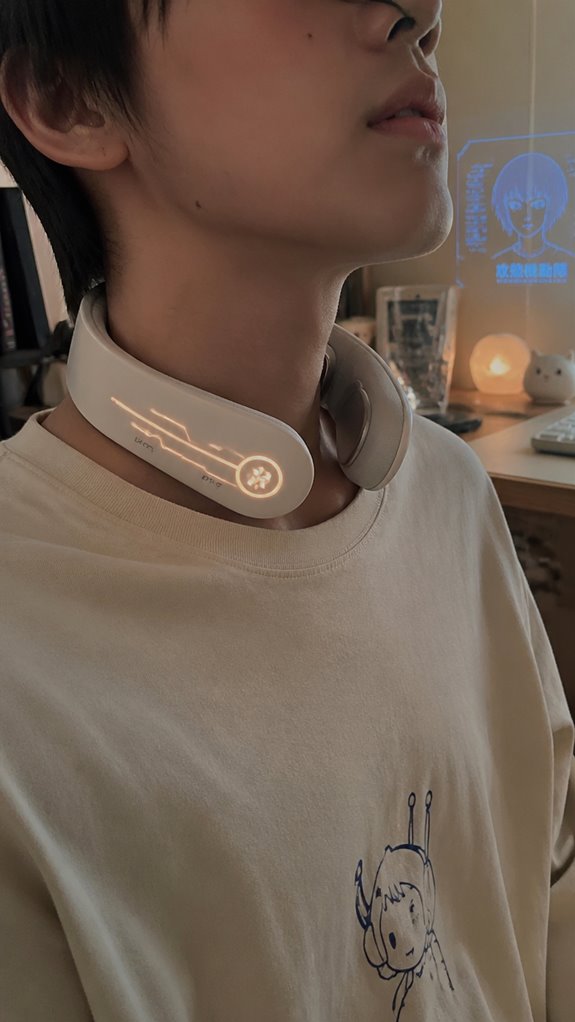
In the sprawling codebase of our daily ergonomics, the neurological subroutine handling earache symptoms often falls into debug mode long before we notice the bug in our posture—an inevitable aftermath of ignoring the system architecture.
Enter the cervical device: a firmware patch for the body’s disparate modules, specifically targeting the cervical spine to facilitate earache relief.
Like deploying a hotfix in a fragile environment, it decompresses tight structures, recalibrates neural feedback loops, and prevents system crashes from constant overload. An essential upgrade in our human interface, merging hardware support with digital logic, reminiscent of “Ghost in The Shell,” where implant and machine converge.
Neck Stiffness From Decompression
Decompression therapy functions like a patch deployed mid-runtime, intended to reboot the cervical hardware and relieve persistent network congestion caused by impinged nerves and degenerative slopes. It addresses macro failures—muscle imbalances and inflammatory response—that ripple down to granular issues in the cervical microarchitecture. Additionally, investing in high-quality webcams can facilitate better communication during remote work, helping reduce overall stress and strain.
Like debugging a malfunctioning code that leads to system stalls, decompression recalibrates spinal alignment. But initial stretches often trigger tight muscles and inflammation, akin to memory leaks.
Nerve irritation from compression captivates the system’s protective protocols, resulting in stubborn stiffness. It’s the human equivalent of trying to optimize a codebase while your RAM is actively battling itself—painfully inevitable, yet fixable. Engaging in consistent walking breaks can further enhance recovery and boost overall productivity during your workday.
Neck Muscle Tension Relief
While macro failures like muscle imbalances are akin to memory leaks corrupting your OS—gradually degrading core systems—targeted neck tension demands granular debugging.
Neck stretches operate like resource cleanups, systematically reducing tension, activating muscle relaxation routines akin to a patch deployment, stabilizing the cervical subsystem.
Performing precise stretches, such as controlled neck rotations or chin-to-chest maneuvers, functions as code refactoring, easing stiff nodes.
These mechanical interventions prevent CPU overload from persistent stress, much like patching a rogue process causing sporadic crashes.
Prioritizing muscle relaxation—your firmware’s preventative maintenance—is the real power in reversing tech neck’s systemic failures. Incorporating white noise machines during relaxation can further enhance your overall recovery process.
Ergonomic Desk Setup Tips
When your biological hardware is as temperamental as a legacy mainframe running on deprecated code, the root cause of systemic lag often traces back to the ergonomics—an often overlooked dependency that can bottleneck throughput faster than a poorly optimized database query.
You need ergonomic accessories designed for posture correction, a hardware-level patch for your spinal kernel. Elevate your monitor to eye level, keep it within a single pixel width from your line of sight, and employ adjustable stands like standing desks for dynamic load balancing. Additionally, remember that proper eye ergonomics is essential to prevent vision problems caused by prolonged computer use.
Incorporating full-body posture improvements not only enhances comfort but can also lead to increased productivity and focus throughout your workday.
After all, even Ghost in the Shell would recommend rewriting your physical interface before debugging that elusive neck pain bug.
FAQ
How Often Should I Perform Neck Stretches During My Workday?
You should do a neck exercise and stretching routine every 30 to 60 minutes, actively engaging your muscles to combat strain. Power through your day with quick, effective stretches, maintaining strength, posture, and preventing tech neck from worsening.
Are There Specific Foods That Can Reduce Neck Inflammation or Discomfort?
Visualize your plate fueling your strength; opt for anti-inflammatory foods rich in neck-boosting nutrients like omega-3s, antioxidants, and magnesium. These power foods reduce inflammation, enhance healing, and fortify your neck against discomfort and strain efficiently.
Can Tight Shoulder Muscles Contribute to Tech Neck Problems?
Tight shoulder muscles, caused by muscle tightness and shoulder tension, considerably contribute to tech neck problems. Addressing these with targeted stretches and strengthening exercises restores balance, alleviates strain, and enhances your overall posture and neck health.
What Signs Indicate Immediate Need for Medical Attention for Neck Pain?
When neck pain becomes a neck bone quarrel, with numbness, weakness, or sudden loss of function, don’t delay—seek immediate medical attention. You need pain relief, not a power struggle, for lasting neck health.
Are Posture-Correcting Devices Effective for Reversing Tech Neck?
Posture gadgets can be effective if you assess their effectiveness properly; they support proper alignment, reduce strain, and reinforce good habits. You can power through tech neck with these tools, provided you use them consistently and evaluate progress regularly.
Summary
Neglecting ergonomic updates and ergonomic debugging, like ignoring those small memory leaks embedded in your code, inevitably leads to system crashes—here, your neck’s firmware throwing a tantrum. As a software dev, you know the chaos that ensues when core specs aren’t optimized. Think of your posture as your runtime environment—without proper configuration, the entire system degrades. If “Ghost in the Shell” taught us anything, it’s that even the most sophisticated macro-kernels need regular patching—your neck included.
References
- https://www.hyperhealth.com.au/post/5-best-neck-relief-techniques-for-corporate-professionals?a6f42623_page=30
- https://www.goodrx.com/conditions/musculoskeletal/tech-neck-exercises
- https://www.northeastspineandsports.com/blog/11-tips-for-getting-rid-of-tech-neck-northeast-spine-and-sports-medicine/
- https://www.sportsandpainmanagement.com/post/4-tips-to-manage-neck-pain-at-your-desk-job
- https://nynjspine.com/blog/tech-neck-exercises-simple-exercises-for-office-workers/
- https://www.youtube.com/watch?v=NqfhvHYWwNQ
- https://www.kesslerrehabilitationcenter.com/why-choose-us/blog/physical-therapy-exercises-for-tech-neck-treatment/
- https://www.hopkinsmedicine.org/health/conditions-and-diseases/back-pain/addressing-neck-and-back-pain-when-youre-working-from-home
- https://kbchirohudson.com/preventing-neck-pain-at-work-ergonomic-tips-for-desk-bound-professionals/
- https://www.rushortho.com/news-events/news/common-stiff-neck-causes-and-treatments/
- https://my.clevelandclinic.org/health/symptoms/21179-neck-pain
- https://ubiehealth.com/doctors-note/constant-neck-muscle-tension-why-stiff-steps-47-rx23e4
- https://www.spine.md/insights/spinal-injuries-chronic-neck-pain
- https://shinwellness.com/decompression-therapy-and-neck-pain/
- https://www.ncbi.nlm.nih.gov/books/NBK338120/
- https://www.hopkinsmedicine.org/health/conditions-and-diseases/spinal-cord-compression
- https://www.eastbaydiscinstitute.com/symptoms/neck-pain.html
- https://www.healthwise.net/weillcornell/Content/StdDocument.aspx?DOCHWID=tr1712