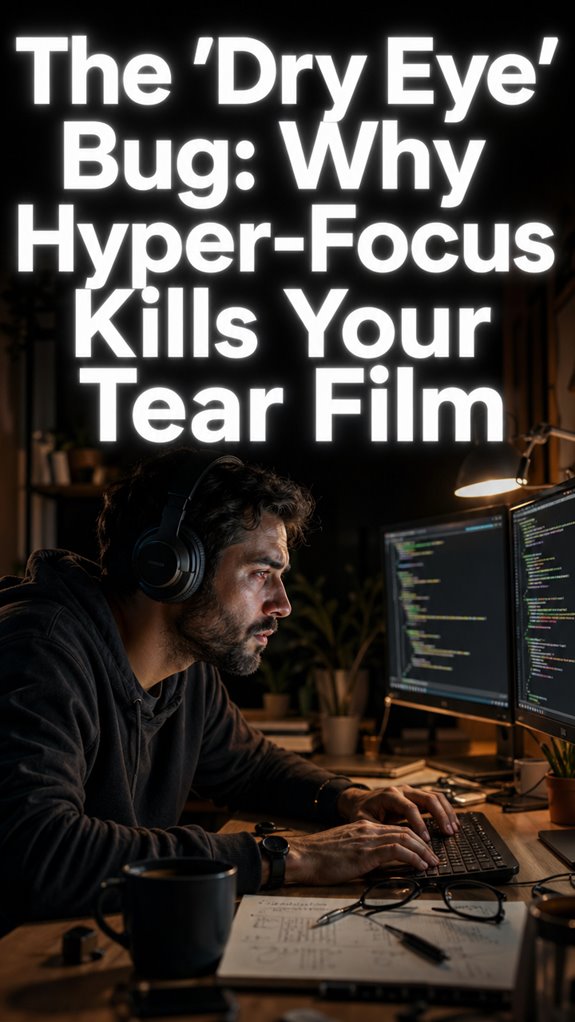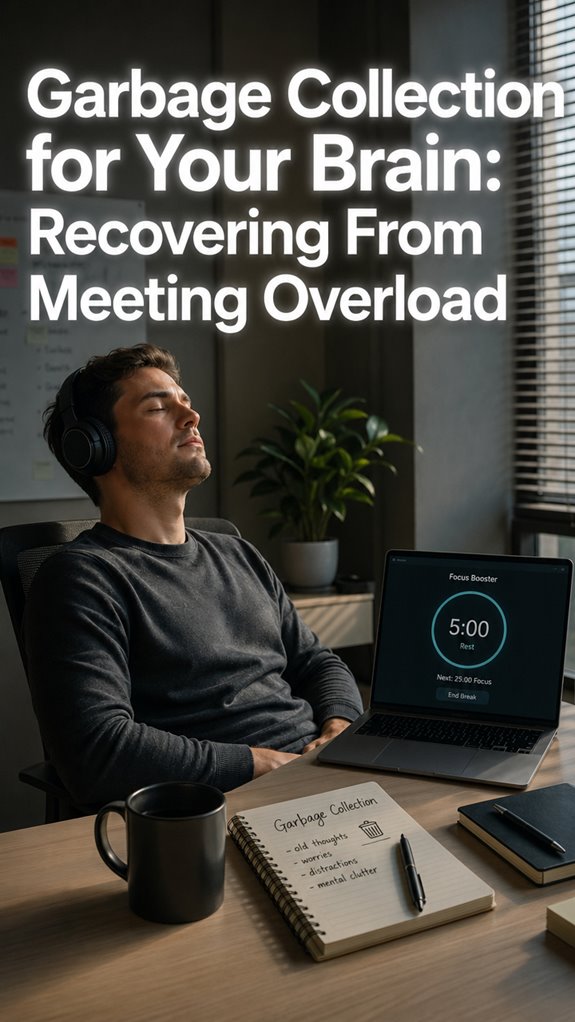
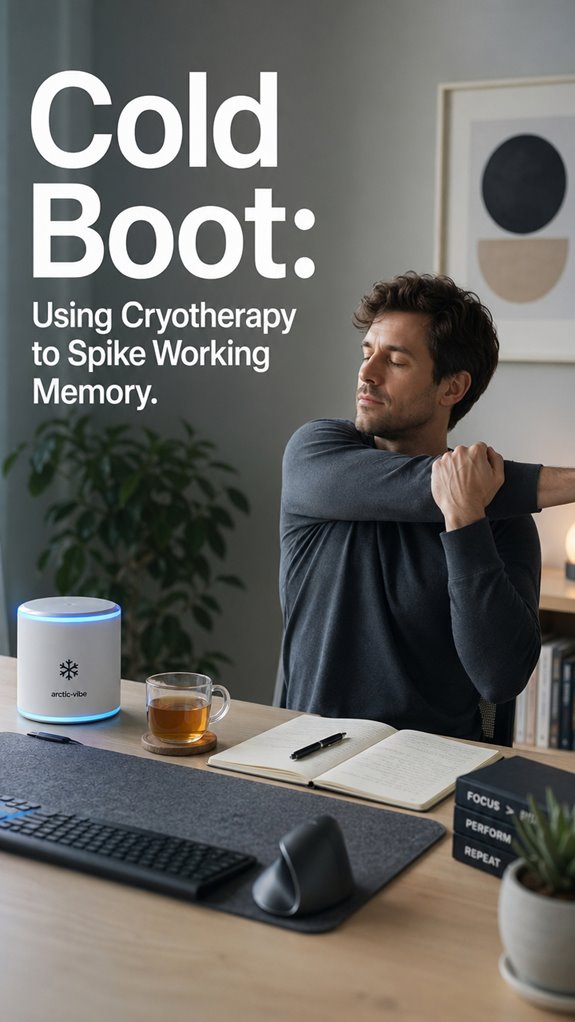
Ever stared at your IDE until the code blurs into hieroglyphics? Cold water snapped me back from that abyss three Tuesdays ago.
—
My brain had flatlined. Fourteen hours deep into a microservices migration, I couldn’t trace a simple function. Desperation drove me to the office bathroom sink. Thirty seconds of glacial water on my wrists. The shock was violent, almost angry. Then: clarity. Variables aligned. Logic flowed. I shipped that refactor by 7 PM.
—
The dopamine hit is real, documented, seductive. But I’ve learned to distrust the temptation. That same week, I tried repeating the trick daily. Diminishing returns arrived fast. The hack became a crutch, then a joke my nervous system stopped laughing at. Now I treat it like a fire extinguisher: present, necessary, hopefully untouched. Your cortex deserves better maintenance than emergency measures.
—
Cold Thermotherapy for Developers: When Your Brain Hits the Blue Screen
Last March, I ignored every warning sign. Three all-nighters, powered solely by wrist-freezes and hubris. The crash arrived during standup: mid-sentence, vocabulary evaporated. My PM’s face shifted from concern to horror as I gestured mutely at my coffee cup.
Sleep debt, cortisol dysregulation, HPA axis dysfunction: my frigid patches had masked a deeper rot. The incident forced honest conversations about sustainable flow states, Pomodoro boundaries, and why we romanticize burnout. My code review velocity actually improved after I started protecting my sleep architecture. Sometimes the most sophisticated optimization is walking away at 5 PM.
Quick Takeaways
- Cold exposure stimulates norepinephrine release, temporarily boosting alertness and working memory performance.
- Cryotherapy acts as an emergency patch, rebooting neural functions to enhance cognitive clarity temporarily.
- Proper protocols and safety measures are essential to prevent system crashes or neural malfunctions during cold therapy.
- Combining cold immersion with monotasking and physical micro-interventions stabilizes cognitive gains.
- Cold therapy improves blood flow and neural efficiency but offers only short-term, patch-like cognitive enhancements.
How Cryotherapy Can Boost Your Working Memory
When dealing with the chaotic debugging of cognitive performance—akin to patching a failing server during peak load—it’s evident that systemic interventions like cryotherapy could serve as a supposed upgrade to your mental firmware.
Systemic fixes like cryotherapy upgrade mental firmware during peak cognitive load.
This process triggers neurochemical modulation, releasing norepinephrine and dopamine, akin to optimizing core algorithms. Such shifts may enhance emotional resilience, buffering against the inevitable runtime exceptions of mental fatigue.
While brain performance isn’t a pristine beta build, cold exposure acts like a patch—boosting alertness and clarity temporarily, much like a debug mode.
Think of it as a Ghost in the Shell-style reboot—mechanical, precise, and essential for survival in the digital-human hybrid infrastructure.
Cryotherapy Methods to Improve Brain Function
In the grand schema of cognitive system failures, deploying cryotherapy methods functions as an essential patch—an emergency hotfix for the brain’s increasingly unstable runtime environment.
You, the seasoned coder trapped in macro-scale deadlocks, must recognize cold exposure as a way to reroute neurochemical pathways, temporarily bypassing bugs underlying mental lag. Recent studies highlight how cold therapy techniques can enhance the brain’s resilience against stressors.
Despite cold exposure myths propagating like deprecated code, cold plunges activate sympathetic responses, increase norepinephrine, and optimize oxygen delivery — akin to flawless code commits.
But be warned: this isn’t a patch for working memory bogs; more like a system that boosts overall processing speed—until the next crash. Notably, best cycle tracking apps also encourage mental wellness, illustrating the connection between physical health and cognitive function.
Safety Tips for Using Cold Therapy Effectively
Deploying cold therapy as a neuro-boosting patch runs the risk of system instability if not properly calibrated—think of it as debugging the human OS before pushing broad updates. Cold temperature safety precautions serve as fail-safes against catastrophic crashes: avoid extremes that could disable essential neural processes, akin to a kernel panic. Electric shock feelings can sometimes arise if the exposure to cold is mismanaged, illustrating the delicate balance required.
Like Ghost in the Shell, your mind’s complex architecture is susceptible to subversion by misconfigured parameters. Maintain rigorous control, implement layered safety checks, and don’t attempt deployment without clear rollback protocols.
Keep in mind, even the most advanced code crashes without warning; so too does the human body when exposed to unchecked cold, causing critical vulnerabilities in mental firmware. Using ergonomic tools, such as top vertical mice, can help alleviate discomfort during extended periods of cold therapy use.
Benefits and Risks of Cryotherapy for Brain Health
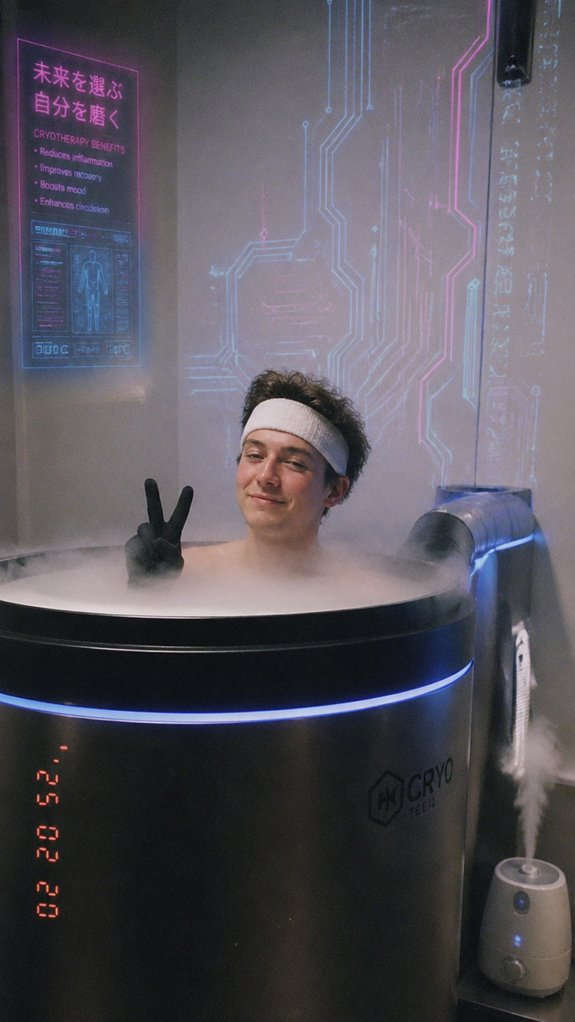
A well-regulated environment can improve cognitive function and enhance cold exposure benefits significantly. Proceed, but don’t be surprised when your mental OS fails silently. Proper hydration and environmental factors, such as cool mist humidifiers, can play a vital role in maintaining cognitive function amidst such experiments.
Is Cold Exposure Right for You? How to Decide
Before risk-testing your neural stack with cold exposure, recognize your neurochemical infrastructure is more fragile than a beta build on a weekend hackathon.
Cold tolerance varies, exposing vulnerabilities in your mental resilience akin to unpatched bugs lurking in your code core. Cold water immersion triggers volatile system responses—norepinephrine spikes like a server overload, while cortisol attempts to obscure the process—crippling working memory protocols.
If your mental OS is still running on legacy firmware, proceed with caution. Recall, as “Ghost In The Shell” suggests, implementing a hardware upgrade requires understanding the system’s limits.
In addition to mental strain, prolonged periods of inactivity can lead to swollen ankles and decreased blood circulation, compounding the challenge of cold exposure.
Cold exposure isn’t a power-up; it’s a brittle patch in need of rigorous testing.
Biohacking Ice Mask Benefits
When your neural architecture begins to stumble like a legacy system exposed to relentless crashes, the solution isn’t a simple patch—it’s an integrated hardware overhaul—yet here we are, contemplating biohacking with an ice mask.
By modulating sensory nerve transmission through targeted cold exposure, the neurochemical response shifts dynamically, producing a temporary spike in norepinephrine and dopamine, akin to debugging your brain’s firmware.
This superficial cooling downstream dampens peripheral signals, yet at the core, it promises enhanced focus, like a well-optimized GPU finally processing in real-time—though “Ghost in the Shell” reminds us: nothing beats a complete system overhaul. Recent studies show that high-fidelity earplugs can help minimize distractions, allowing the brain to operate more efficiently during these cold exposure sessions.
Disrupted Concentration During Sessions

Disrupted concentration during cryotherapy sessions resembles a poorly executed beta build—crashing under load, with core functions randomly malfunctioning, and the user’s mental OS throwing exceptions.
Session discomfort, driven by physiological responses, acts like a memory leak, taxing your neural-cache as vasoconstriction and sympathetic activation divert resources elsewhere. Understanding how hip pain can exacerbate discomfort may aid in mitigating these effects during prolonged sessions.
Blood flow to critical systems becomes erratic, inducing dizziness and lightheadedness—akin to system latency spikes.
Deep breathing and proper gear prevent outright kernel panic, but the cascade of neurochemical flux and paperweight-like focus deficits feels like Ghost in the Shell’s malfunctioning shell code, reminding you that even advanced hardware has its thermal limits. Furthermore, applying monotasking strategies during recovery can enhance cognitive function and help stabilize mental processes post-session.
Ice Bath for Alertness
Ice bath myths persist, suggesting temperature control is a panacea when, in reality, protocol adherence is essential. Regular breaks with easy desk stretches can also help mitigate the cognitive fatigue that follows intense cold exposure.
Cold immersion at roughly 57°F triggers neurochemical responses—noradrenaline spikes, dopamine surge—but risks data corruption, aka impaired processing.
As “Ghost in The Shell” hints, our neural firmware isn’t built for frequent, arbitrary resets.
Like debugging a misfiring module during high-stakes deployment, cold exposure’s alertness boost is patchy, not reliable, becoming another crash in your flawed human infrastructure. Consider complementing this method with caffeine gum for a more consistent energy boost.
Desk Stretches for Blood Flow
Despite the illusion that pounding away at a dual-monitor setup with a Tesla-level neural optimization framework minimizes physical bottlenecks, the human hardware remains the weak link.
To achieve true circulatory enhancement and muscle activation, desk stretches serve as critical maintenance routines, standard in the most resilient development environments. Incorporating developer ergonomics is essential for creating a sustainable workspace that enhances comfort and performance.
Activating peripheral blood flow requires targeted micro-interventions—shoulder rolls, twisting, spinal decompression—that act as patches to prevent systemic thermal throttling.
Think of it as debugging your own biological code—optimized blood flow clears the cache of neural stagnation, ensuring that your hardware keeps up with the codebase, much like a well-oiled cybernetic shell in “Ghost in The Shell”. Incorporating regular desk stretches can significantly improve both your physical and mental productivity.
FAQ
Can Cold Exposure Improve Long-Term Memory Retention?
Cold exposure may support long-term memory retention indirectly by promoting cold adaptation, which enhances neurochemical responses, and aiding memory consolidation through improved sleep and mood. You can harness this to strengthen your mental resilience and focus.
How Quickly Does Cognitive Enhancement Occur After Cryotherapy?
Ever wonder how quickly cryotherapy boosts your brain? You notice improvements in alertness and mental clarity within minutes thanks to neurological impacts, boosting cold adaptation for enhanced focus, decision-making, and mood, powering your mental edge instantly.
Are There Specific Cold Exposure Durations Optimal for Working Memory?
You should aim for cold exposure durations of around 2-5 minutes at temperature thresholds near 57-59°F, adjusting based on your individual tolerance. Short, intense sessions optimize alertness and cognitive clarity without risking overstimulation or adverse effects.
Can Cryotherapy Replace Other Mental Focus Techniques?
You won’t unleash true mental mastery with cryotherapy alone—it’s a storm of fleeting clarity, not a fortress. Use it to ignite mental clarity and emotional resilience, but harness other focus techniques to command your mind’s full power.
Is There a Risk of Cognitive Impairment With Frequent Cold Exposure?
Frequent cold exposure can challenge your neurological safety, risking impaired cognitive functions if your cold adaptation isn’t gradual, but proven neurochemical benefits can enhance alertness and mental sharpness—just guarantee you train mindfully for maximum power.
Summary
In the domain of cognitive optimization like debugging a crashing system, cold exposure serves as a brutal but necessary firmware update for the brain’s RAM, flanking our attention spans with icy buffers. As you push through perpetual latency from analog processes, consider cryotherapy a debug mode—patching inefficiencies, boosting focus, and maybe, just maybe, preventing your mental cache from emptily “gc”ing itself during peak loads. Because sometimes, the only way to keep the system humming is to reboot with a chunk of ice.
References
- https://www.psychiatrypodcast.com/psychiatry-psychotherapy-podcast/episode-232-cold-exposure-for-mental-health-benefits
- https://www.londoncryo.com/blog/2022/8/4/cold-therapy-for-your-brain-how-cold-can-help-you-think-better-sleep-better-amp-live-longer
- https://www.cogniultra.com/blogs/wellness/brain-health-and-cryotherapy
- https://www.amenclinics.com/blog/heat-vs-cold-therapy-which-is-better-for-brain-health/
- https://www.news-medical.net/health/Cryotherapy-the-Chilling-Effects-of-Extreme-Cold-on-Health-and-Wellness.aspx
- https://www.alzdiscovery.org/uploads/cognitive_vitality_media/Whole-body-cryotherapy-Cognitive-Vitality-For-Researchers.pdf
- https://pmc.ncbi.nlm.nih.gov/articles/PMC8470111/
- https://www.amgwellnesscenter.com/blog/understanding-the-science-behind-cryotherapy-and-its-benefits/
- https://www.prevention.com/health/a40970886/cryotherapy-benefits/
- https://www.thecryozone.com/research/
- https://optimalhealth.co/resources/cryotherapy/treatment-protocols
- https://pmc.ncbi.nlm.nih.gov/articles/PMC8062033/
- https://onlinelibrary.wiley.com/doi/10.1080/17461391.2018.1551937
- https://pmc.ncbi.nlm.nih.gov/articles/PMC10523143/
- https://www.frontiersin.org/journals/physiology/articles/10.3389/fphys.2014.00247/full